The Quinfall – Launch Week Analysis: Ambition, Risk, and the Fragile Birth of a Sandbox MMO
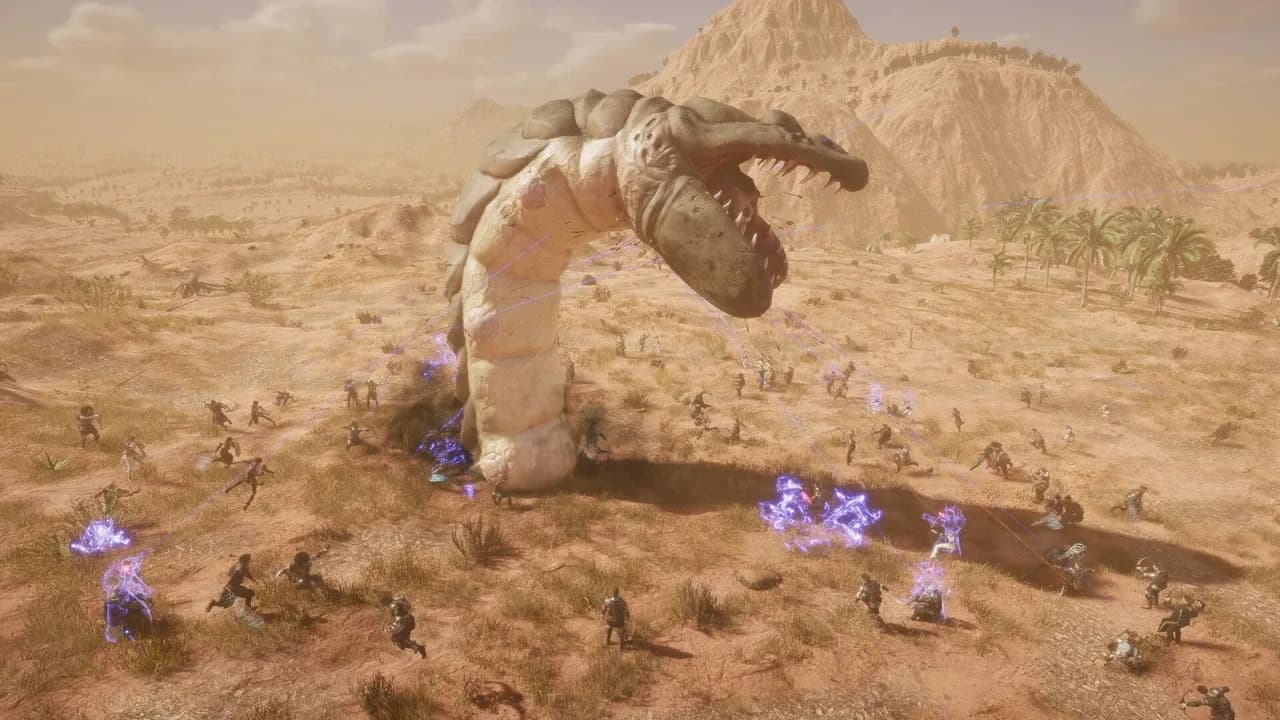
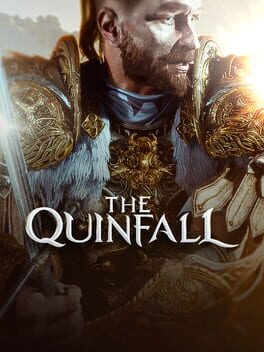
On February 6th, 2026, The Quinfall officially launched into one of the most unforgiving genres in gaming: the sandbox MMORPG space. The release wasn’t quiet or subtle — it arrived with structural decisions designed to reset both progression and perception.
The launch introduced several high-impact changes intended to mark a true “fresh start” for the game.
- Full world and character wipe
- 100% premium currency refunds
- Fresh start servers for all players
Within hours, the community reaction began to polarize. One side sees a hidden gem — a systems-heavy sandbox that simply needs time to mature. The other sees warning signs — performance instability, monetization tension, and a 1.0 label that may have arrived too early.
This is not a hype piece. It is not doomposting. It is a grounded launch-week breakdown focused on what is actually happening beneath the noise.
Launch Reset – A Bold but Dangerous Move
The developers chose to launch version 1.0 with a complete reset of the world and all player characters. In MMORPG culture, that decision carries weight. A full wipe is more than a technical reset — it signals a definitive restart, a statement that this is the “real beginning.”
However, resets don’t only erase progression. They reset expectations. More importantly, they reset trust.
And in online worlds, trust is the true long-term currency.
Early reactions were not explosive or hostile. They were cautious. Players weren’t demanding perfection — they were looking for proof. Proof that this version would feel more stable, more confident, and more finished than previous phases.
The Game Itself – What Quinfall Is Trying to Build
At its core, The Quinfall aims to deliver a large-scale sandbox MMORPG built around systems rather than spectacle. The design philosophy prioritizes depth and interconnected mechanics over cinematic polish.
Its foundation is built on several key pillars:
- A large-scale open world
- Layered progression systems
- Crafting and profession loops
- Player-driven economy
- PvP conflict zones
- Long-term character development
This direction aligns with a classic sandbox philosophy: systems first, refinement later.
That approach can succeed — many long-standing MMOs were built this way. But it only works if those systems feel coherent, stable, and responsive in practice.
Ambition creates interest. Execution determines survival.
Combat & Movement – The Critical Friction Point
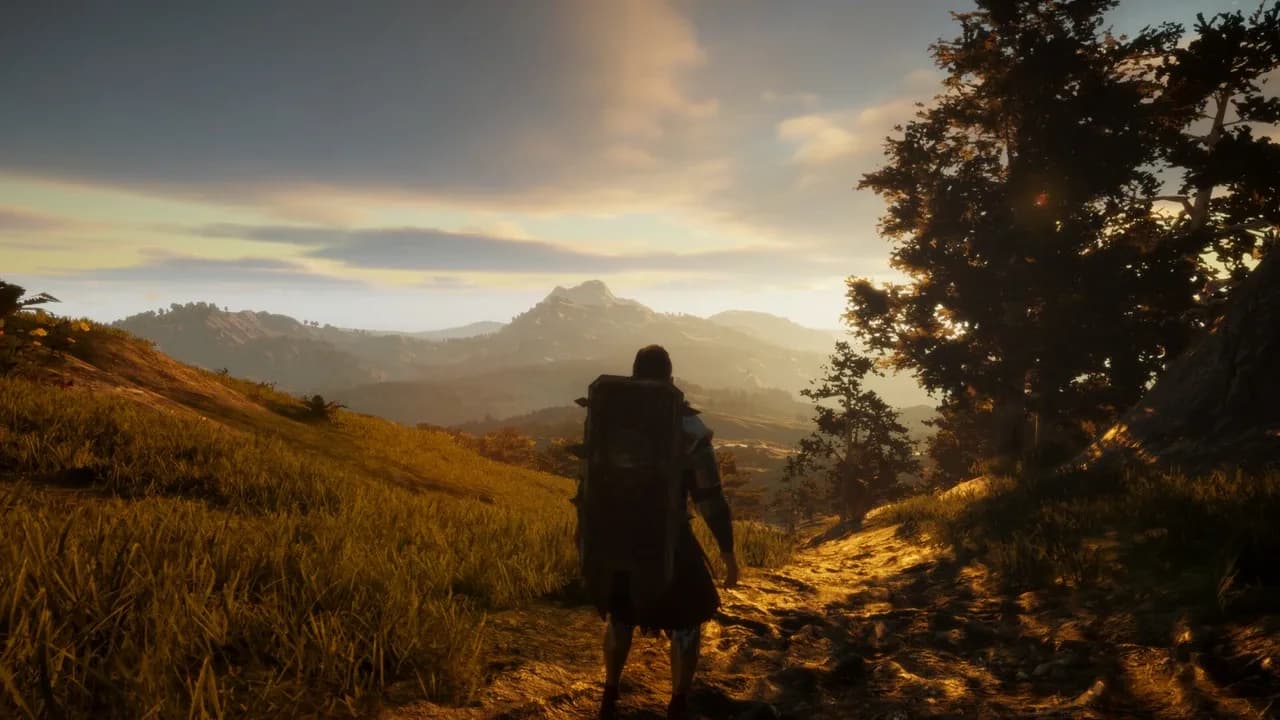
The first thing players notice is not the game’s ambition — it’s the movement. Combat responsiveness and animation fluidity have quickly become the most discussed weak points during launch week.
The feedback pattern is remarkably consistent. Combat functions. Abilities trigger. Encounters are playable. But the overall feel lacks sharpness.
In PvP environments especially, small latency inconsistencies or animation stiffness become amplified. What might feel acceptable in PvE becomes frustrating when precision matters.
In a sandbox MMORPG, combat does not need to be revolutionary. It needs to be dependable.
At the moment, Quinfall feels functional — but not yet confident.
Monetization – The Perception War
This is where the discussion becomes more delicate. The Quinfall includes a premium currency system alongside in-game purchases — a structure that immediately draws scrutiny in the MMORPG space.
Before launch, the developers refunded all previously purchased VCoins in an attempt to reset concerns and signal good faith. However, the broader debate has not disappeared.
The core issue is not necessarily explicit pay-to-win mechanics. It is perception.
In MMORPG history, once players begin to suspect that progression or competitive advantage can be influenced through spending, long-term retention becomes unstable. Even the suggestion of imbalance can erode trust over time.
At the moment, Quinfall sits in a gray zone — not clearly exploitative, yet not entirely free from doubt either.
And in online ecosystems, clarity is everything.
Stability & Polish – The “1.0” Question
Another major point of discussion centers around polish. A recurring sentiment among players is that the game feels closer to a late beta than a fully finalized release.
This does not mean the game is broken. It means expectations may be misaligned.
When a title carries the 1.0 label, the community expects stability, refinement, and a sense of completion — not just systems that technically function.
At present, Quinfall delivers functionality. The core mechanics operate. The world exists. Progression is accessible.
But refinement — the layer that transforms a working product into a confident release — still appears to be evolving.
The Core Strength – Why Some Players Are Staying
Despite the criticism, there is a clear reason why players continue logging in. Beneath the rough edges, there is a foundation that feels genuinely sandbox-driven.
The world has scale. The systems are layered. Progression is not instant, and experimentation is encouraged. That structure appeals to a specific type of MMORPG player.
For those who enjoy the following, Quinfall offers something tangible:
- Slow, methodical progression
- Repetitive but rewarding grind loops
- Open-world economic systems
- Long-term build experimentation
There is substance beneath the surface friction. It may not be polished yet, but it is present.
And at a relatively low entry price, experimentation feels acceptable rather than risky.
For the right audience, that balance is enough — at least for now.
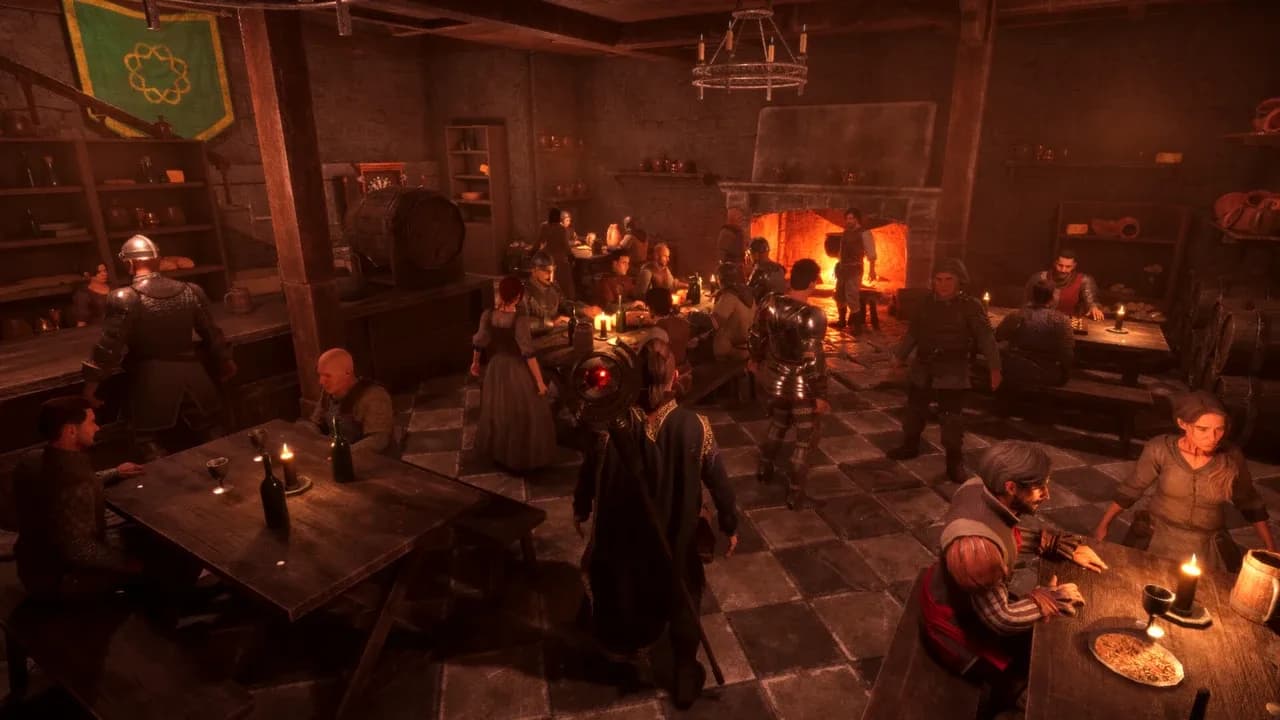
The First Month Will Decide Everything
Launch week rarely determines the fate of an MMORPG. It generates visibility, noise, and reaction — but not long-term stability.
The first month is what truly matters.
If the development team can execute with discipline and clarity, the trajectory may shift positively. The immediate priorities are clear:
- Rapid performance and optimization patches
- Clear communication around monetization structure
- Transparent, consistent community messaging
- Stabilized PvP responsiveness
If these elements improve quickly, The Quinfall could gradually secure a dedicated niche audience.
If updates slow down or communication becomes defensive instead of transparent, early curiosity will likely dissipate.
MMOs rarely collapse dramatically.
They fade quietly.
Who Should Try It Right Now?
If you are the type of player who enjoys exploring systems before they are fully refined — someone who sees potential where others see rough edges — The Quinfall may be worth testing in its current state.
If, however, you expect AAA-level fluidity, precise combat responsiveness, and immediate technical confidence, waiting for several major patches may be the more sensible choice.
The Quinfall does not feel finished in spirit.
It feels like a beginning.